

Small Breasts (AA–A Cup): Breast Enhancement Options in Korea — Implants, Fat Transfer, Hybrid & Biocompatible Methods
Understanding Small Breast Concerns Beyond Cup Size
For many women, breast volume and shape can influence body proportions, clothing fit, and overall confidence. If you wear an AA- or A-cup bra and notice gaping at the top of the cup or insufficient fullness, the concern may involve more than cup size alone.
Breast appearance is influenced by the amount and distribution of breast tissue and fat, the shape of the rib cage, breast spacing, skin elasticity, and natural asymmetry between the two sides. Two people with the same bra size can therefore have very different breast contours.
For international patients considering breast enhancement in Korea, the goal is often not simply a larger cup size. A well-planned procedure should consider the relationship between the breasts, shoulders, waist, hips, and overall body frame to create balanced, natural-looking proportions.
Why Exercise and Weight Gain May Have Limited Effects
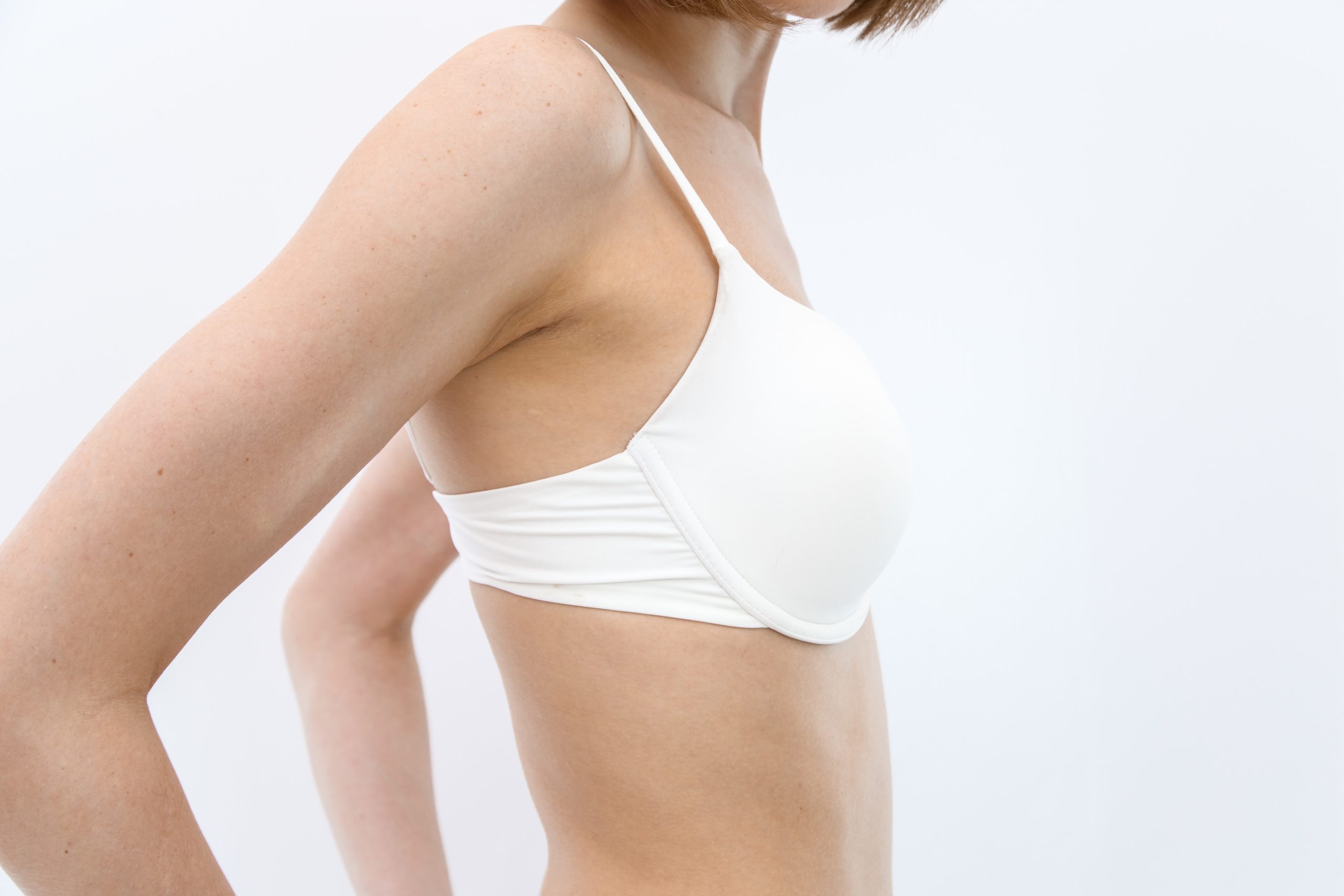
Many people first explore exercise, dietary changes, or weight gain to improve breast volume. While chest exercises can strengthen the pectoral muscles beneath the breasts and may improve posture, they do not directly increase breast tissue.
Because breasts are primarily made up of fatty and glandular tissue, it is not possible to selectively increase volume in the breasts through weight gain. When body weight increases, fat distribution varies from person to person and may appear more noticeably in the face, abdomen, thighs, or other areas before affecting the breasts.
Padded bras and shapewear can provide a temporary change in silhouette, but patients seeking a more lasting change in volume or contour may wish to discuss surgical and non-surgical options with a qualified plastic surgeon.

Factors That Affect Breast Shape
A bra that does not fill properly may be related to breast shape rather than breast size alone. Some patients have adequate lower-breast volume but limited fullness in the upper pole, while others may have wider breast spacing, outward-pointing breast shape, or visible asymmetry.
During a consultation, a surgeon may assess factors such as the amount of existing breast tissue, chest wall and rib cage shape, skin quality, nipple position, breast width, and the patient’s preferred level of enhancement. This evaluation is especially important for patients starting with a smaller breast volume, as the available soft-tissue coverage can affect which approach may be appropriate.
Implant Breast Augmentation
Breast augmentation with implants remains one of the most established options for patients who would like a more noticeable increase in volume. Implants are available in different sizes, profiles, shapes, and materials, allowing the surgical plan to be tailored to the patient’s anatomy and aesthetic goals.
For patients with AA- or A-cup breasts, implants may provide defined volume and projection. However, selecting an implant is not only about choosing a desired cup size. A surgeon must consider breast width, chest dimensions, tissue thickness, skin elasticity, and the desired upper-pole fullness.
Modern breast augmentation planning often emphasizes proportion and natural movement rather than excessive size. The most suitable implant and placement method will vary according to the individual patient’s body shape and medical assessment.

Autologous Fat Transfer for Natural-Looking Volume
Autologous fat transfer, also called fat grafting, uses a patient’s own fat to enhance breast volume. Fat is typically collected through liposuction from areas such as the abdomen, flanks, or thighs. After processing, the purified fat is carefully injected into the breasts.
This option may appeal to patients who prefer to use their own tissue and desire a subtle to moderate increase in volume, improved contour, or correction of mild asymmetry. Fat transfer can also be useful for refining specific areas, such as the upper breast or cleavage area, depending on the individual anatomy.
Because the amount of fat available and the survival of transferred fat can vary, not every patient is an ideal candidate for fat grafting alone. Patients with very low body fat or those seeking a substantial increase in volume may need to consider other approaches. A surgeon should also explain that some volume changes may occur during the healing process.

Hybrid Breast Augmentation
Hybrid breast augmentation combines implants with autologous fat transfer. In this approach, an implant provides the main structural volume, while fat grafting may be used to soften transitions, improve tissue coverage, or refine contour in selected areas.
This technique may be considered for patients with limited natural breast tissue who want implant-based volume while also seeking a softer, more natural-looking breast contour. Fat grafting can potentially be used around the upper pole, sides of the breast, or cleavage area when appropriate.
Hybrid augmentation requires careful planning because both implant selection and fat-grafting strategy must be customized to the patient’s anatomy. It may be particularly relevant for patients who have a slim upper body or want to balance visible volume with a natural silhouette.
Biocompatible Volume-Enhancement Approaches
Some clinics may offer newer volume-enhancement approaches using biocompatible materials intended to support tissue integration and gradual contour formation. One example discussed in Korea is ADM Breast augmentation approach.
These options differ from conventional implant surgery and fat transfer, and their suitability depends on the material used, local regulatory status, the patient’s health, breast tissue condition, skin elasticity, and expectations. International patients should ask for clear information about the material, expected duration of results, potential complications, follow-up requirements, and whether the treatment is approved or available in their home country.
A thorough in-person assessment is essential before choosing any newer breast enhancement method. Patients should be cautious of claims that promise identical results for every body type or guarantee a specific outcome.

Choosing the Right Breast Enhancement Plan
When considering breast enhancement, it can be tempting to focus on a specific cup size. However, cup sizing is not standardized across all bra brands, and the same cup size can look very different depending on chest width and body proportions.
A personalized treatment plan should consider your existing breast volume, skin elasticity, chest wall shape, degree of asymmetry, desired projection, lifestyle, and preference for natural feel or more noticeable volume. Your surgeon should also discuss scars, recovery time, possible complications, future revision needs, and the long-term follow-up required for the method you choose.
For medical tourists, it is important to plan enough time in Korea for consultation, surgery or treatment, initial recovery, and postoperative review. You should also arrange appropriate follow-up care after returning home.
A Balanced Approach to Breast Enhancement
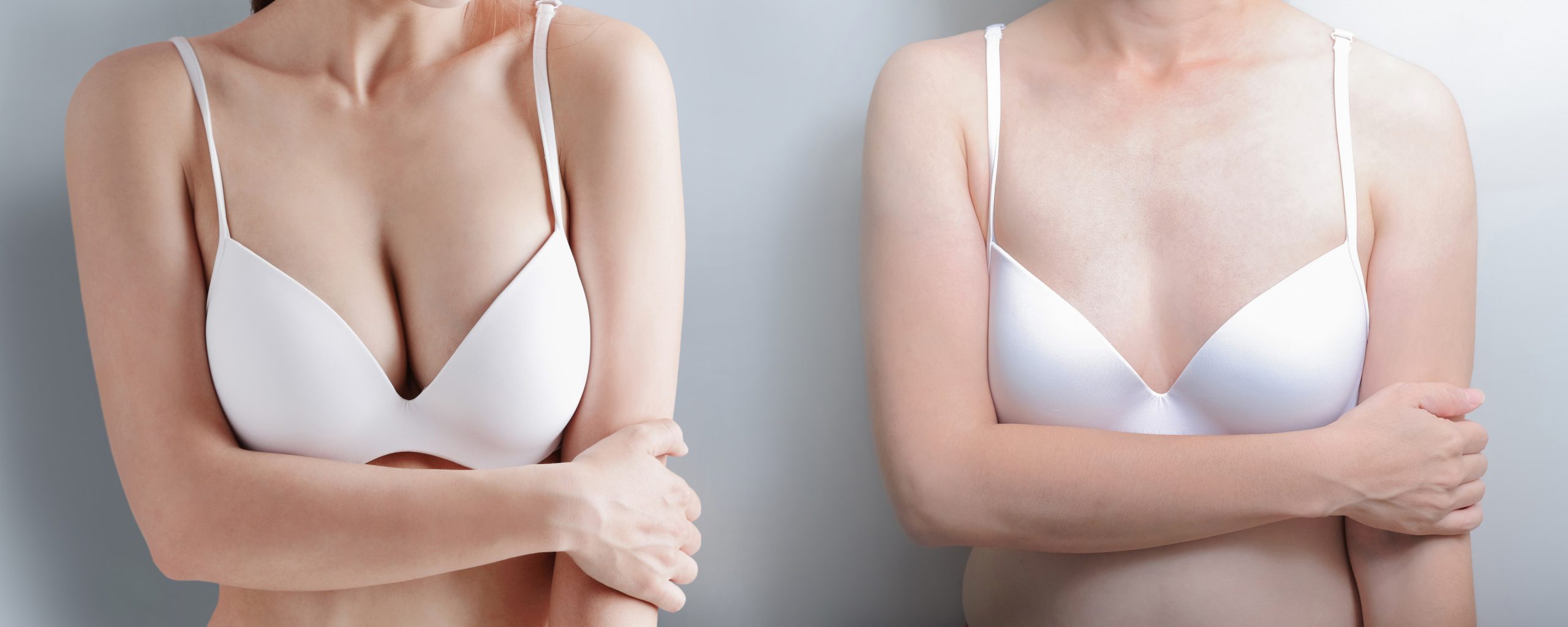
Small breast concerns are often related to contour, proportion, and upper-breast fullness as much as volume itself. Implant augmentation, fat transfer, hybrid augmentation, and certain biocompatible volume-enhancement options may each have a role depending on the patient’s anatomy and goals.
The best result is not defined by achieving the largest possible size. It is defined by a breast shape that looks balanced with your body, aligns with your preferences, and is selected through a careful medical consultation with a qualified surgeon.
Begin Your BongBong Experience
Starting your treatment process here at BongBong is simple and easy.
Fill out our enquiry form below, and a member of our team will get back to you as soon as possible.
This is an informational post published by a medical institution in compliance with Articles 56 and 57 of the Medical Service Act.
Pursuant to Article 57(3), this post has not undergone medical advertising review. It was prepared for informational purposes in accordance with Article 24 (Review of Medical Advertisements) of the Enforcement Decree of the Medical Service Act.
Note: This article was translated and published from the original with consent from the author.