Postpartum Belly Still Protruding? Causes (Diastasis Recti, Loose Skin, Fat, Posture) and Treatment Options in Korea
Why the Abdomen May Remain Loose or Protruding After Childbirth
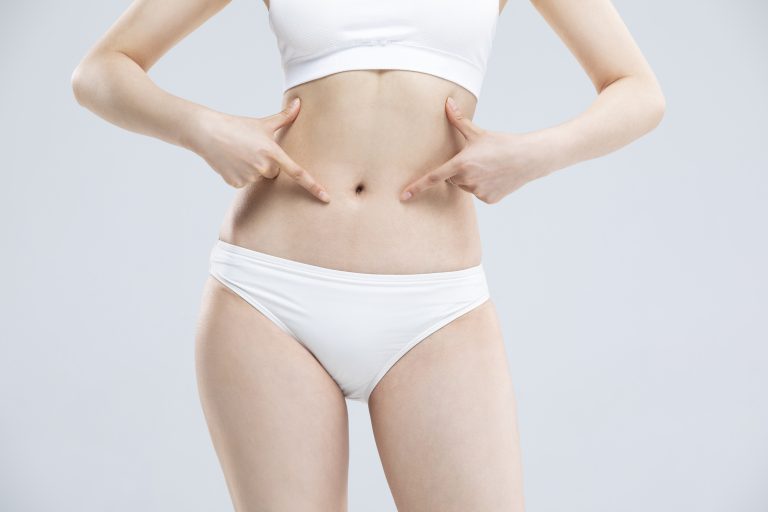
After pregnancy and childbirth, many people notice that their lower abdomen still appears rounded, loose, or less firm, even after losing weight. For international patients considering post-pregnancy body contouring in Korea, it is important to understand that these changes are not always caused by body fat alone.
Pregnancy affects several layers of the abdominal area at the same time, including the skin, subcutaneous fat, abdominal muscles, fascia, and pelvic posture. When these structures have been stretched or weakened, weight loss and exercise may improve overall health and body composition without fully restoring the contour or firmness of the abdomen.
A careful assessment can help distinguish between concerns related primarily to fat accumulation, loose skin, muscle separation, scar tissue, posture, or a combination of these factors.
Diastasis Recti: Separation of the Abdominal Muscles
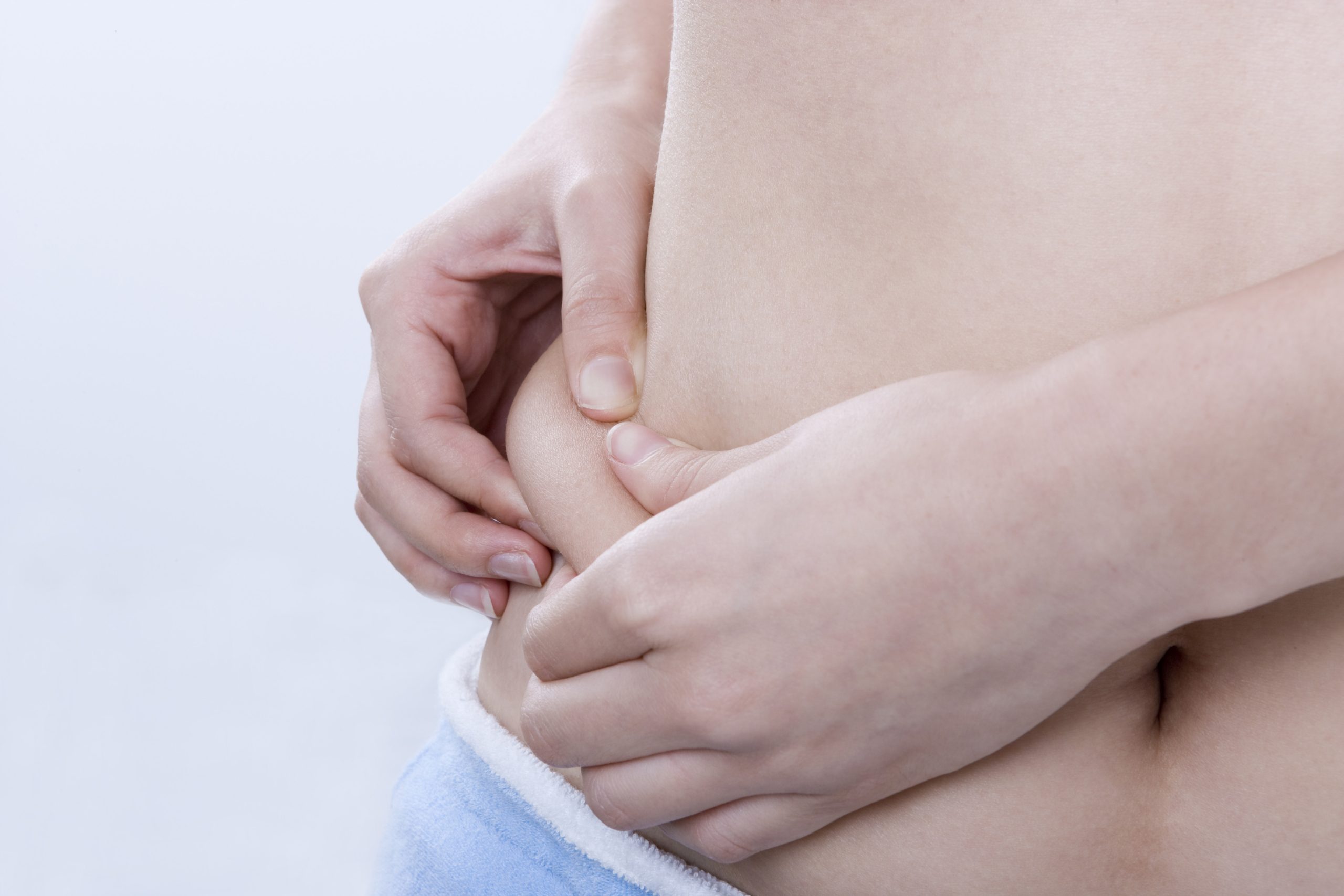
Diastasis recti refers to a widening of the connective tissue between the left and right rectus abdominis muscles, commonly known as the “six-pack” muscles. As the abdomen expands during pregnancy, these muscles may move apart to accommodate the growing uterus.
After delivery, some patients continue to notice a central abdominal bulge, a feeling of reduced core stability, or an abdomen that projects forward despite weight loss. In some cases, the abdomen may become more prominent when rising from a lying position or when contracting the core.
Appropriate postpartum rehabilitation and guided core exercises may help some individuals. However, the degree of improvement depends on the severity of the separation, tissue quality, and each person’s recovery process. Exercises that place excessive pressure on the abdomen may not be suitable for everyone, especially when significant muscle separation is present.
Reduced Skin Elasticity After Pregnancy
During pregnancy, the skin of the abdomen stretches rapidly. Although skin can gradually tighten after delivery, it may not always return fully to its previous condition.
Collagen and elastin fibers, which contribute to skin strength and elasticity, can become stretched or damaged. This may result in loose, thin, or crepey skin, particularly in the lower abdomen. Stretch marks may also be present, although their appearance can vary considerably from person to person.
When excess skin is the primary concern, exercise can strengthen the underlying muscles but cannot directly remove or tighten a significant amount of stretched skin. The most appropriate management plan depends on the amount of laxity, the patient’s goals, and whether future pregnancy is planned.
Localized Fat That Persists in the Lower Abdomen
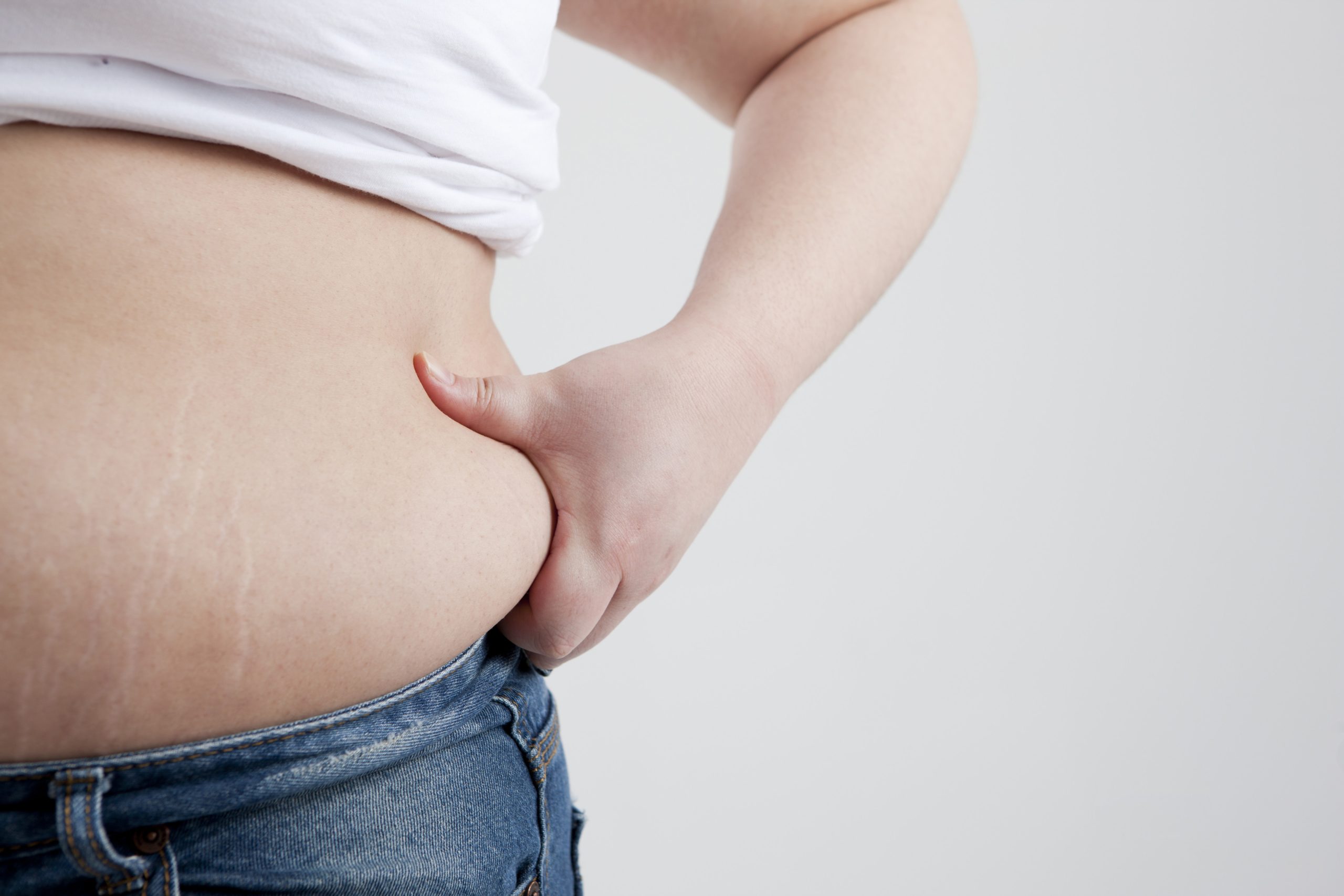
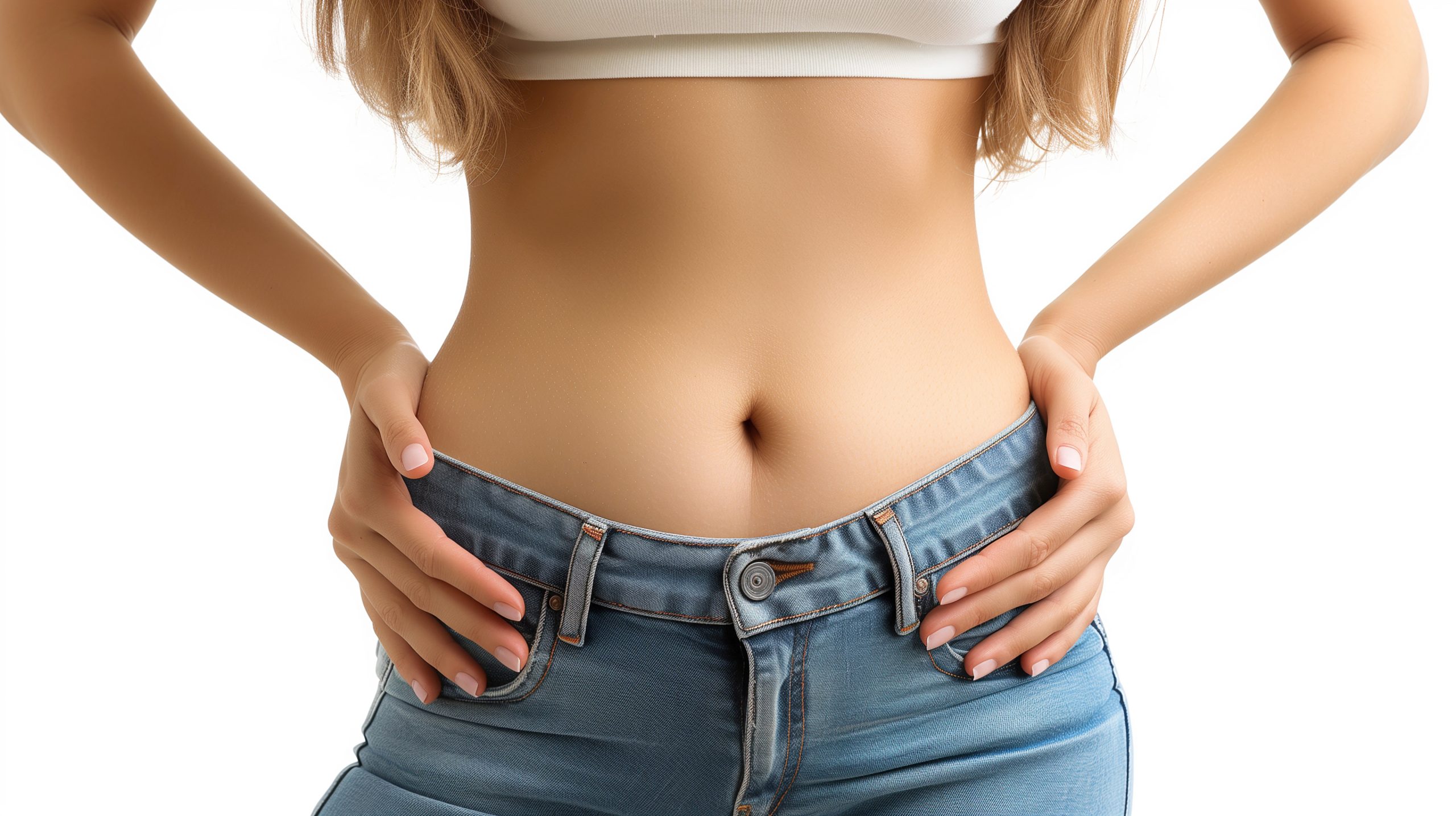
Pregnancy-related hormonal and metabolic changes can influence the way the body stores fat. Even after postpartum weight loss, some people find that localized fat remains around the lower abdomen, waistline, or flanks.
This does not necessarily indicate a lack of effort with diet or exercise. Fat distribution is influenced by genetics, hormones, sleep, stress, breastfeeding status, metabolism, and overall recovery after childbirth.
For patients with good skin elasticity and limited loose skin, non-surgical body contouring or liposuction may be discussed in selected cases. However, these options do not repair separated abdominal muscles or remove a substantial amount of excess skin. A medical consultation is necessary to determine whether localized fat is the main cause of the concern.
Pelvic and Postural Changes That Affect Abdominal Contour
Pregnancy can also influence posture and pelvic alignment. Changes such as increased anterior pelvic tilt, lower-back arching, or reduced core strength may make the abdomen appear more prominent than the actual amount of fat or loose skin would suggest.
Some patients experience accompanying symptoms such as lower back discomfort, fatigue, or difficulty maintaining a stable posture. Physical therapy, postpartum rehabilitation, and targeted movement programs may be helpful when posture and muscle coordination are important contributing factors.
Because postural changes can coexist with skin laxity, muscle separation, or localized fat, a comprehensive evaluation is often more useful than focusing on a single visible concern.
Scar Tissue and Fascial Changes Following Delivery
Cesarean delivery can leave scar tissue and adhesions around the incision area. In some cases, this may contribute to a tethered scar, uneven contour, tightness, or a fold of tissue above the scar. Vaginal delivery can also involve substantial changes in abdominal pressure and core function, even without an abdominal incision.
Fascia is a connective tissue layer that supports and links muscles throughout the body. When fascial movement is restricted or abdominal tissues do not recover evenly, the abdomen may feel tight in one area and loose in another.
Scar management, rehabilitation, and surgical correction may each have a role depending on the nature of the concern. The best approach should be individualized after an in-person examination.
Hormonal Changes and the Pace of Postpartum Recovery
Hormonal changes after childbirth can affect body composition, fat distribution, fluid retention, energy levels, and skin quality. Recovery may also differ according to breastfeeding status, sleep patterns, nutrition, medical history, and the time that has passed since delivery.
For this reason, postpartum abdominal recovery is not always linear. Some changes improve gradually over many months, while others may persist despite consistent lifestyle management.
Patients traveling internationally for treatment should discuss timing carefully with a qualified physician. Considerations may include recovery from childbirth, breastfeeding, future pregnancy plans, previous abdominal surgery, general health, and the ability to remain in the destination country for appropriate follow-up.
When Exercise Alone May Not Fully Address the Concern
Exercise is valuable for general health, strength, mobility, and postpartum recovery. However, it has limitations when the primary issue is excess skin, significant muscle separation, scar adhesion, or structural change in the abdominal wall.
In particular, a routine designed without considering diastasis recti or pelvic floor function may not be appropriate for every patient. A personalized assessment can help identify safe exercises and determine whether rehabilitation, non-surgical treatment, or surgical treatment may be suitable.
The goal is not simply to make the abdomen appear flatter. It is to understand the condition of the skin, fat, muscles, fascia, scars, and posture so that the treatment plan addresses the factors that matter most.
When Abdominoplasty May Be Considered
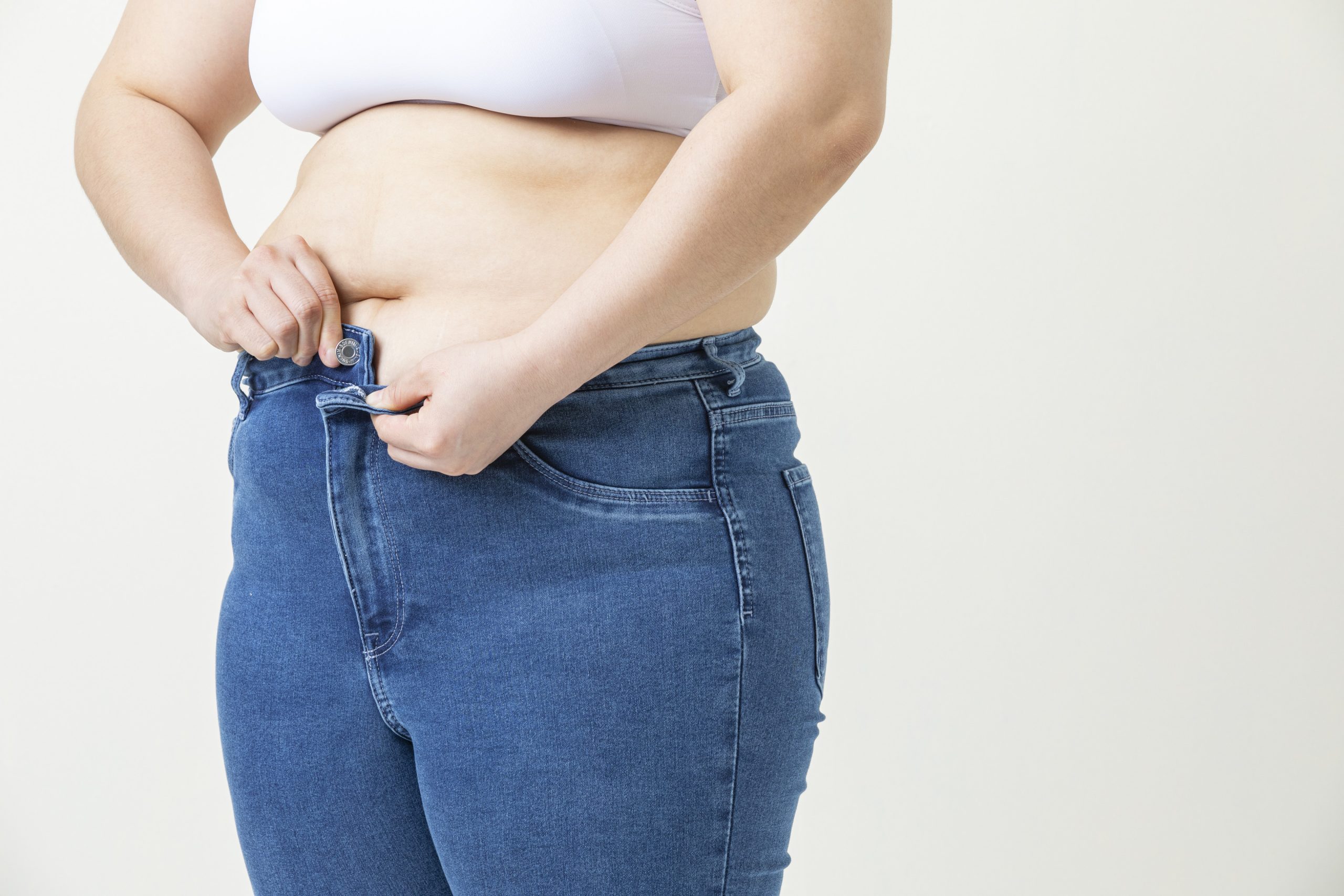
Abdominoplasty, commonly called a tummy tuck, is a surgical procedure that may be considered for patients with significant excess abdominal skin, persistent muscle separation, or abdominal contour changes that have not improved with non-surgical care.
Depending on the patient’s condition and the surgical plan, the procedure may involve removing excess skin and tissue, repairing separated abdominal muscles, improving the position of the remaining skin, and addressing certain contour concerns. Liposuction may sometimes be combined with abdominoplasty when appropriate, but it serves a different purpose from muscle repair or skin removal.
Abdominoplasty is not necessary for everyone after childbirth. It is generally considered when structural changes are substantial and when a patient has realistic expectations about the surgical process, scars, recovery period, and potential risks. As with any surgery, risks can include bleeding, infection, fluid accumulation, wound-healing concerns, scarring, changes in sensation, asymmetry, and complications related to anesthesia.
A board-certified plastic surgeon should evaluate each patient’s anatomy, medical history, previous surgeries, and future pregnancy plans before recommending treatment.
A Personalized Approach to Postpartum Abdominal Recovery
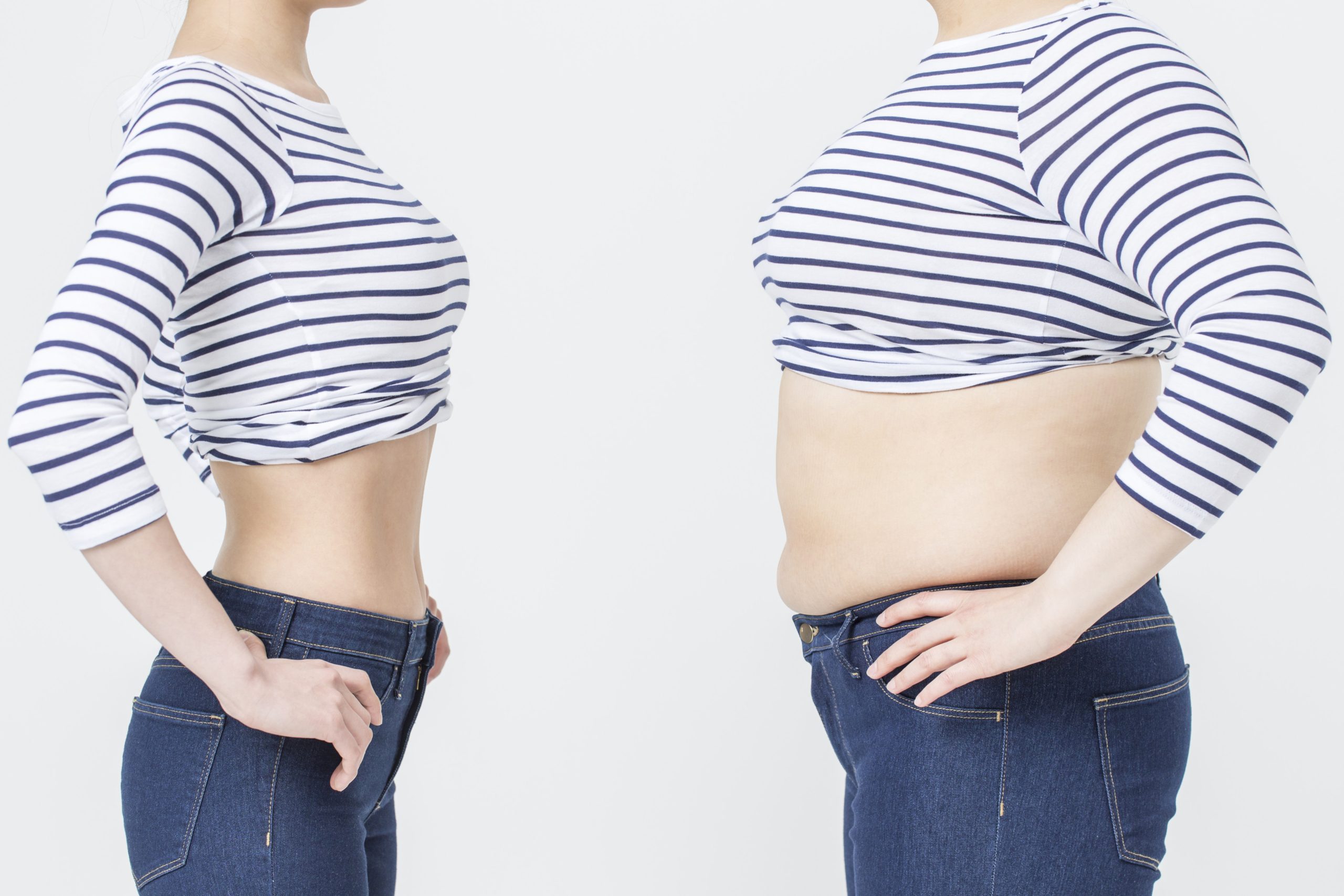
A loose or protruding abdomen after childbirth should not be viewed simply as a matter of weight or willpower. It may reflect a combination of changes in the skin, fat layer, abdominal muscles, fascia, scars, hormones, and posture.
For medical tourists, an informed consultation is especially important before arranging travel. A clinic should provide a clear pre-treatment evaluation process, discuss realistic outcomes and recovery requirements, and help patients understand whether their concerns may be better addressed through rehabilitation, non-surgical care, surgery, or a combination of approaches.
The most appropriate path is based on the cause of the abdominal change, the patient’s health and lifestyle, and their individual goals for recovery and contour improvement.
Begin Your BongBong Experience
Starting your treatment process here at BongBong is simple and easy.
Fill out our enquiry form below, and a member of our team will get back to you as soon as possible.
This is an informational post published by a medical institution in compliance with Articles 56 and 57 of the Medical Service Act.
Pursuant to Article 57(3), this post has not undergone medical advertising review. It was prepared for informational purposes in accordance with Article 24 (Review of Medical Advertisements) of the Enforcement Decree of the Medical Service Act.
Note: This article was translated and published from the original with consent from the author.