

Keloid Scar Treatment in Korea: Why Chest and Ear Keloids Require Different Approaches
Understanding Keloid Scars: Why Treatment Depends on the Location
Raised, red scars can be concerning, especially when they continue to thicken or extend beyond the boundaries of the original wound. While many scars may appear similar at first, not all raised scars behave the same way. In particular, keloids on the chest and around the ears often require different treatment strategies because each area is exposed to different levels of skin tension and movement.
For international patients considering scar treatment in Korea, understanding these differences can make consultations more productive and help set realistic expectations for treatment.
What Is a Keloid?
A keloid is an excessive scar response in which fibrous tissue continues to grow during the healing process. Unlike a typical scar, a keloid may extend beyond the original wound and can remain raised, red, firm, itchy, tender, or uncomfortable.
Keloids may develop after surgery, acne, piercing, trauma, burns, or even a small skin injury. Individual healing tendencies also play an important role. Some patients are more prone to abnormal scar formation because of their skin type, genetic predisposition, previous history of keloids, or the location of the wound.
Early evaluation is important when a scar appears to be enlarging, becoming more elevated, or spreading into the surrounding skin.
Why the Chest and Ear Area Require Different Approaches
The main reason treatment varies by location is skin tension.
The front chest, particularly the sternum area, is constantly affected by breathing, arm movement, posture changes, and stretching of the upper body. This repeated tension can stimulate the scar tissue and contribute to ongoing keloid growth. Because the chest is a high-tension area, surgery may create another wound under similar stress and can carry a higher risk of recurrence in selected patients.
The ear area, including the earlobe and skin around the ear cartilage, is generally exposed to less continuous pulling force. For this reason, scar tissue in this region may be more suitable for carefully planned surgical removal when appropriate. However, treatment must still be individualized, as ear keloids can also recur without proper preventive care.
Even when two scars look alike, their location can significantly affect the treatment plan.
Treatment Considerations for Ear Keloids
For keloids around the ears, especially those associated with piercings or previous procedures, surgical excision may be considered when the scar is well defined and suitable for removal.
During treatment, the surgeon may use techniques designed to reduce tension around the wound and minimize stress on the healing skin. Depending on the size, severity, and recurrence history of the keloid, additional treatments may be recommended after surgery. These can include steroid injections, pressure therapy, silicone-based scar care, laser treatment, or, in selected cases, postoperative radiation therapy.
The goal is not simply to remove visible scar tissue. A comprehensive treatment plan focuses on lowering the risk that the keloid will return after excision.
Why Conservative Treatment Is Often Preferred for Chest Keloids
Chest keloids can be more challenging because of the constant movement and tension in the area. Repeated surgical excision without an appropriate prevention strategy may increase the risk of recurrence or further scar enlargement.
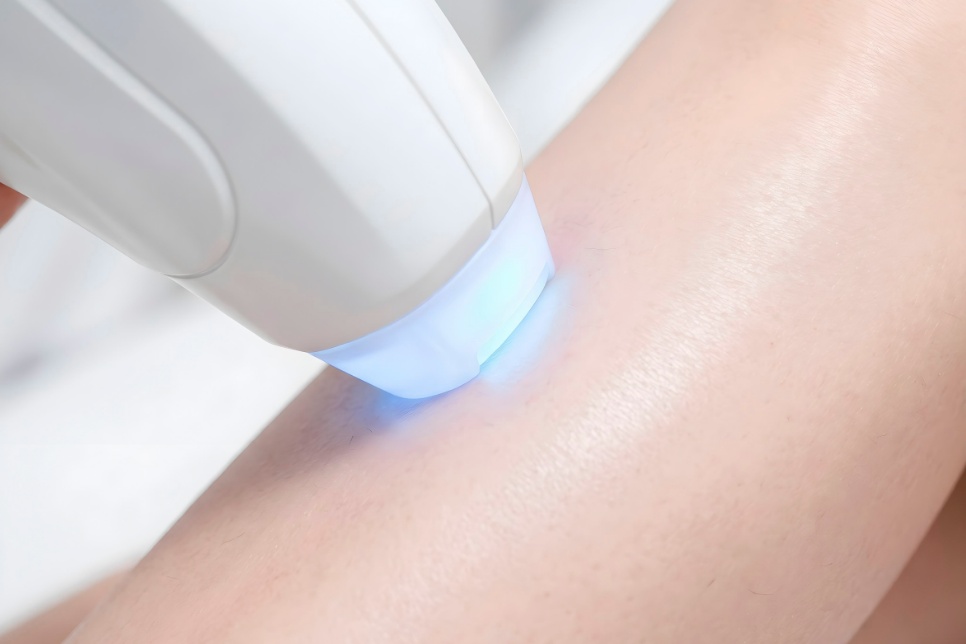
For this reason, conservative management is often considered before surgery for scars on the front chest. Depending on the patient’s condition, treatment may include medication injections, laser-based treatment, radiofrequency treatment, silicone gel sheets, topical scar products, or other approaches intended to reduce redness, thickness, itching, and discomfort.
These treatments may be performed over several sessions. Keloid treatment is usually a gradual process, and the pace of improvement varies depending on scar thickness, duration, skin characteristics, and the patient’s healing response.
For medical tourists, it is especially important to discuss the expected number of visits and the follow-up plan before beginning treatment. Some scar treatments can be planned around a short stay in Korea, while others require continued care with a physician in the patient’s home country.



Supporting Scar Healing After a Procedure
After surgery or a cosmetic procedure, scar care should not be overlooked. Once your physician confirms that the wound has healed sufficiently, silicone gel sheets, silicone gel, or prescribed topical products may be recommended to support scar management.
Reducing unnecessary friction can also be helpful. Clothing that repeatedly rubs against the chest, neck, or area behind the ears may irritate healing skin. Maintaining appropriate moisture and protecting the area from excessive irritation may help support a more stable healing environment.
However, home care should not replace medical evaluation when a scar is changing. If a scar becomes increasingly red, thick, painful, itchy, or begins to spread beyond the original wound, it is best to seek professional advice promptly.

A Personalized Consultation Is Essential
There is no single treatment that is right for every keloid. The location of the scar, its size, duration, symptoms, previous treatment history, and your individual tendency toward scar formation all need to be considered.
For patients visiting Korea for scar treatment, a consultation can help determine whether surgical removal, injection therapy, laser treatment, radiofrequency treatment, or a combined approach is more appropriate. Your medical team may also review your travel schedule and recommend a practical follow-up strategy after you return home.
A raised scar does not always require surgery, and it does not necessarily mean that improvement is impossible. With a location-specific treatment plan and consistent follow-up, many patients can work toward a flatter, softer, and less noticeable scar.
Begin Your BongBong Experience
Starting your treatment process here at BongBong is simple and easy.
Fill out our enquiry form below, and a member of our team will get back to you as soon as possible.
This is an informational post published by a medical institution in compliance with Articles 56 and 57 of the Medical Service Act.
Pursuant to Article 57(3), this post has not undergone medical advertising review. It was prepared for informational purposes in accordance with Article 24 (Review of Medical Advertisements) of the Enforcement Decree of the Medical Service Act.
Note: This article was translated and published from the original with consent from the author.