Cellulite on the Back of the Thighs: Causes, Treatments and a Medical-Tourism Guide to Body Contouring in Korea
Understanding Cellulite on the Back of the Thighs
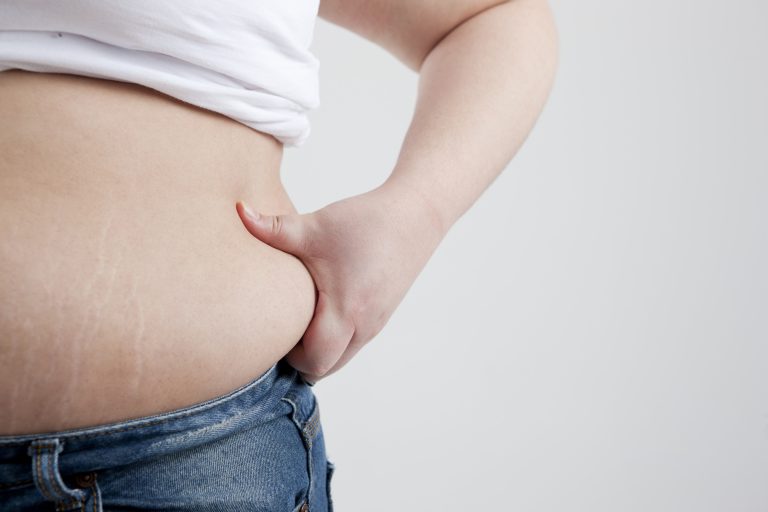
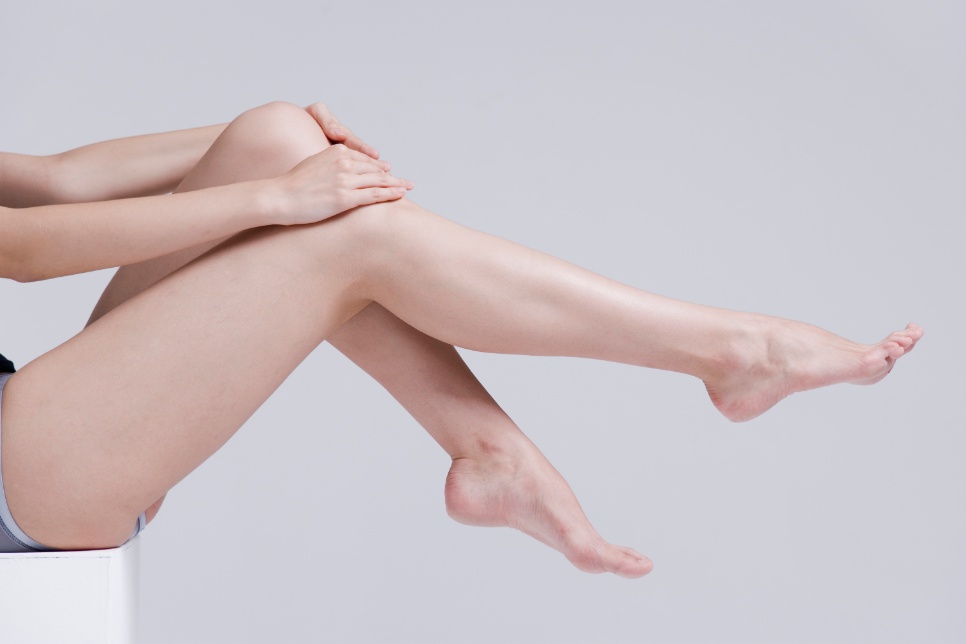
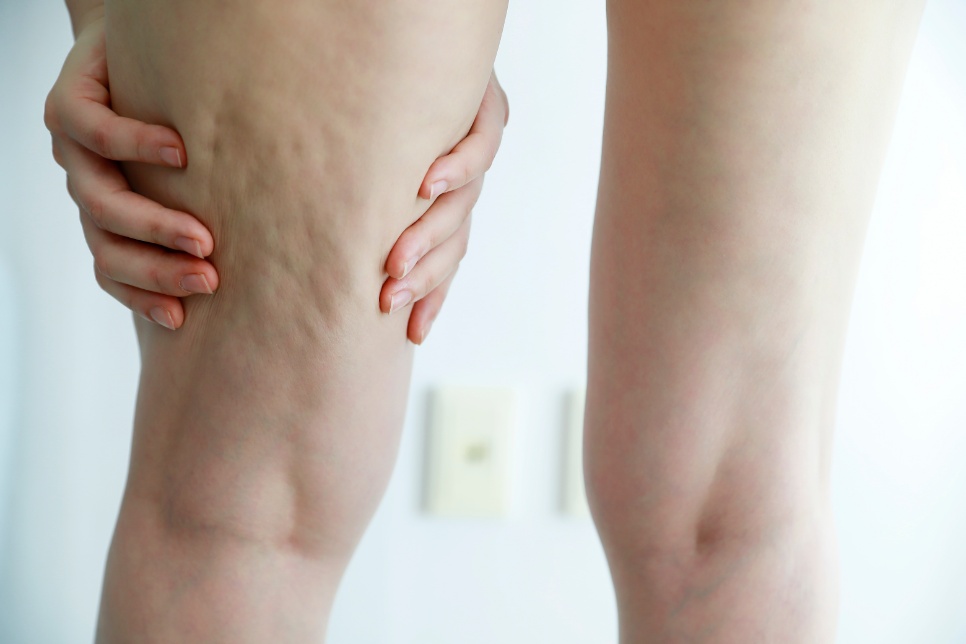
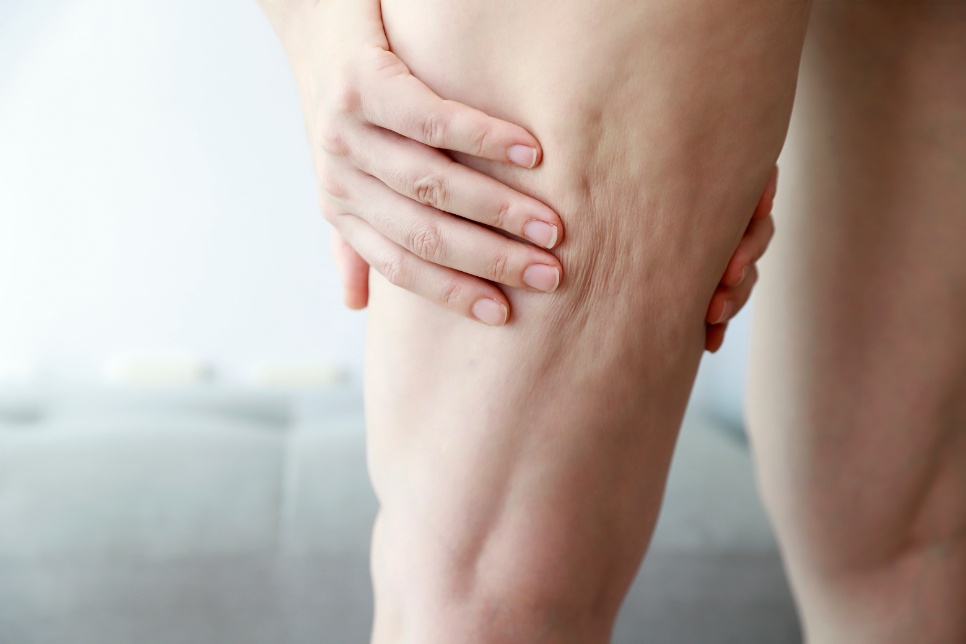
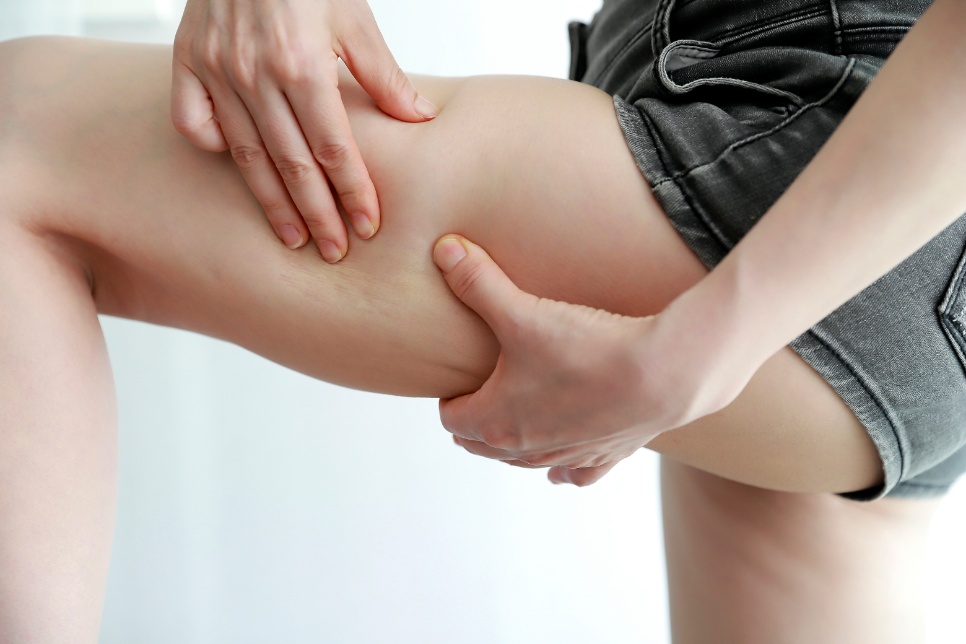
Cellulite on the back of the thighs is more complex than ordinary fat accumulation. It can develop when fat cells, fluid retention, and fibrous connective tissue interact beneath the skin, creating a firm, uneven texture. This may lead to the familiar dimpled or “orange-peel” appearance.
Because cellulite can involve several layers of tissue, it may also affect people who are otherwise slim. Diet and exercise remain important for overall health and body composition, but they may not fully address hardened fibrous bands or changes in skin elasticity.
For international patients considering body-contouring care in Korea, a personalized assessment is an important first step. The most appropriate approach depends on whether fat accumulation, swelling, reduced circulation, skin laxity, or a combination of these factors is contributing to the appearance of cellulite.
Why Cellulite Develops
Cellulite may become more visible when enlarged fat cells place pressure on surrounding connective tissue. At the same time, reduced microcirculation and fluid retention can contribute to tissue congestion. Over time, the connective bands beneath the skin may become less flexible and pull downward on the skin surface, creating visible dimples.
Hormonal changes, prolonged sitting, weight fluctuations, aging, and reduced skin elasticity can all play a role. The back of the thighs is a particularly common area because it is prone to fat storage, fluid retention, and changes in skin firmness.
A clinical consultation may include a physical examination, palpation of the treatment area, and, when appropriate, imaging such as ultrasound. These assessments can help evaluate tissue thickness, fat distribution, fibrosis, and skin quality before a treatment plan is recommended.
Cellulite Related to Localized Fat Accumulation
When localized fat accumulation is a primary factor, treatment may focus on improving the contour of the area while addressing the firmness of underlying tissue.
Depending on an individual’s condition, non-surgical options may include injectable treatments intended for localized fat reduction or energy-based body procedures, such as high-intensity focused ultrasound. These treatments may be considered to target the subcutaneous fat layer and support improvements in body contour.
Treatment settings, depth, and intensity should always be selected by a qualified medical professional based on the thickness of the tissue, the degree of fibrosis, and the patient’s overall health. Results vary, and more than one session may be recommended in some cases.
Cellulite Accompanied by Swelling or Poor Circulation
For patients who experience frequent leg swelling or a feeling of heaviness in the lower body, fluid retention and reduced circulation may contribute to the appearance of cellulite.
In these cases, treatments such as extracorporeal shockwave therapy or body radiofrequency may be considered. Shockwave-based treatments use externally delivered acoustic energy to support tissue flexibility, while radiofrequency treatments create controlled heat within the skin and subcutaneous tissue.
By addressing swelling and tissue firmness, these approaches may help improve skin texture and support other body-contouring treatments. However, persistent or sudden swelling should be evaluated carefully by a medical professional, as it may require assessment for underlying medical causes.
Cellulite with Skin Laxity
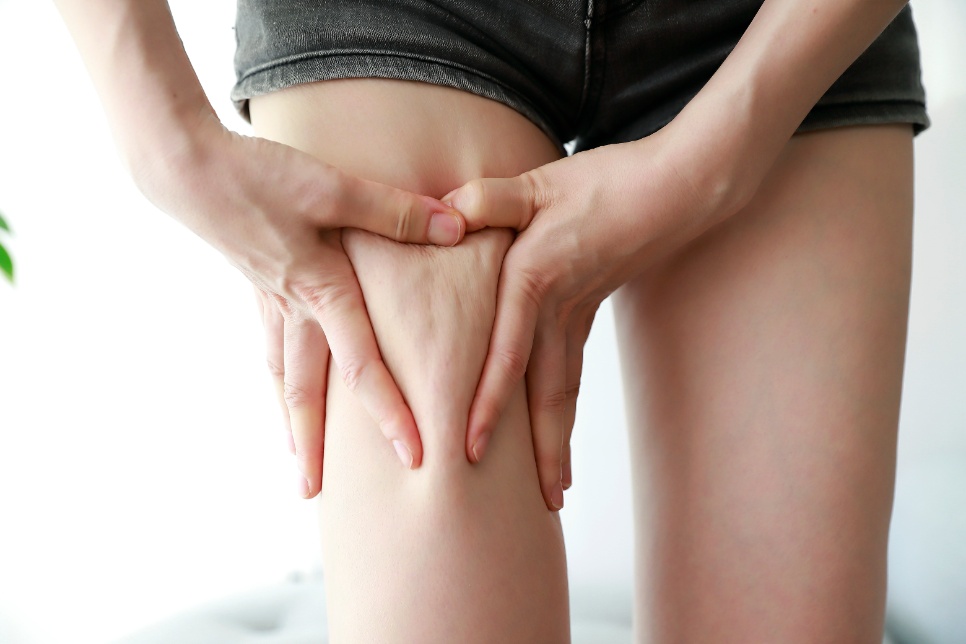
Cellulite may appear more pronounced when the skin has lost firmness due to aging, weight loss, or natural changes in collagen production. In this situation, reducing fat alone may not provide the desired improvement.
When skin laxity is a major concern, treatment may focus on supporting collagen remodeling and skin tightening. Body radiofrequency, lifting devices, and certain thread-based procedures may be considered depending on the patient’s anatomy and goals.
The purpose of these treatments is to improve the quality and firmness of the skin so that uneven tissue beneath the surface is less noticeable. A customized plan may combine skin-tightening treatment with approaches for localized fat or fibrotic tissue when appropriate.
Why a Personalized Treatment Plan Matters
The same visible skin texture can have different underlying causes. One patient may have a thicker fat layer and significant fibrous bands, while another may have mild fat accumulation but substantial swelling or loose skin.
For this reason, treatment should not be selected based solely on photographs, social media trends, or another person’s experience. A comprehensive consultation can help determine whether the priority should be fat reduction, circulation support, skin tightening, or a combination approach.
For medical tourists, it is also important to discuss the expected treatment schedule, possible temporary side effects, travel timing, and follow-up plan before arriving in Korea.
Recovery and Daily Activities
Many non-surgical cellulite and body-contouring treatments involve little or no downtime, allowing patients to return to most daily activities on the same day. Temporary redness, swelling, tenderness, or bruising may occur, particularly after injectable procedures. These effects are usually temporary, but recovery experiences differ from person to person.
Patients traveling internationally should allow adequate time before long flights, especially if swelling or bruising is expected. Your medical team can provide individualized guidance based on the procedure performed and your travel itinerary.
Maintaining Results After Treatment
Medical procedures may help improve the appearance and texture of cellulite, but long-term maintenance also depends on lifestyle habits. Weight fluctuations, prolonged inactivity, dehydration, and reduced muscle activity can contribute to the recurrence or increased visibility of cellulite.
Regular movement, stretching, adequate hydration, balanced nutrition, and sustainable weight management may help support treatment results. While no procedure can guarantee permanent removal of cellulite, a well-planned treatment strategy and healthy routine can help patients maintain improvements over time.
Planning Your Consultation
Cellulite on the back of the thighs often involves more than one factor. An accurate assessment of fat distribution, tissue firmness, swelling, and skin elasticity is essential before choosing a procedure.
During your consultation, discuss your medical history, previous body treatments, goals, available recovery time, and travel schedule with your provider. A medically guided treatment plan can help ensure that your approach is appropriate for your individual condition rather than based on a one-size-fits-all solution.
Begin Your BongBong Experience
Starting your treatment process here at BongBong is simple and easy.
Fill out our enquiry form below, and a member of our team will get back to you as soon as possible.
This is an informational post published by a medical institution in compliance with Articles 56 and 57 of the Medical Service Act.
Pursuant to Article 57(3), this post has not undergone medical advertising review. It was prepared for informational purposes in accordance with Article 24 (Review of Medical Advertisements) of the Enforcement Decree of the Medical Service Act.
Note: This article was translated and published from the original with consent from the author.