Alcohol After Botox: Guide for Medical Tourists in Korea
Alcohol After Botox: What Medical Tourists Should Know
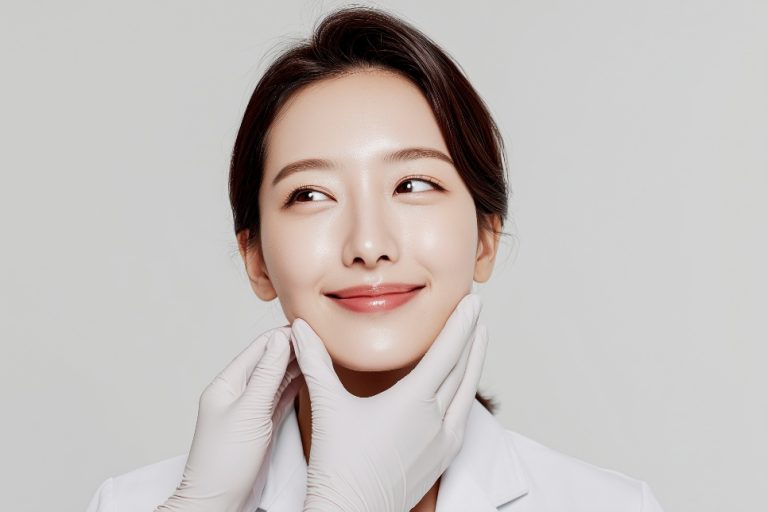
Botox is a popular non-surgical treatment for softening expression lines in areas such as the forehead, glabella, and around the eyes. Because the procedure is usually brief and involves little downtime, many international visitors choose to include it in their travel and treatment itinerary.
However, a quick procedure does not mean aftercare is unnecessary. One common question is whether it is safe to have a drink after Botox, especially when dining, business meetings, or social events are planned during a visit to Korea.
While one drink is not generally expected to directly cancel the effect of Botox, alcohol may increase redness, swelling, and bruising around the injection sites. Following your clinic’s personalized aftercare guidance can support a more comfortable recovery and help you prepare for your travel schedule with confidence.
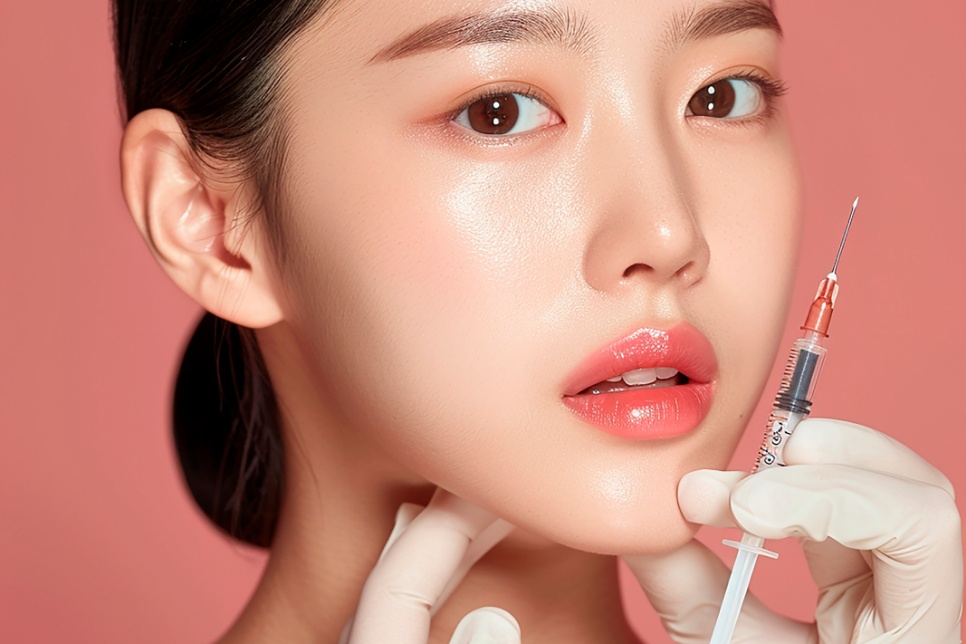
Why Alcohol Is Usually Discouraged After Botox
Botox works by temporarily reducing nerve signals to selected muscles. As the treated muscles relax, expression-related wrinkles may appear softer over time.
Although Botox injections are performed with a very fine needle, the skin and underlying tissue can still experience minor irritation. Temporary redness, tenderness, slight swelling, or small bruises may occur after treatment.
Alcohol can dilate blood vessels and may make facial flushing, swelling, and bruising more noticeable. Drinking heavily may also affect your overall condition during the recovery period. For these reasons, many medical providers recommend avoiding alcohol immediately after treatment.
Extra caution may be appropriate for people who tend to flush easily, become swollen after drinking, or bruise easily.
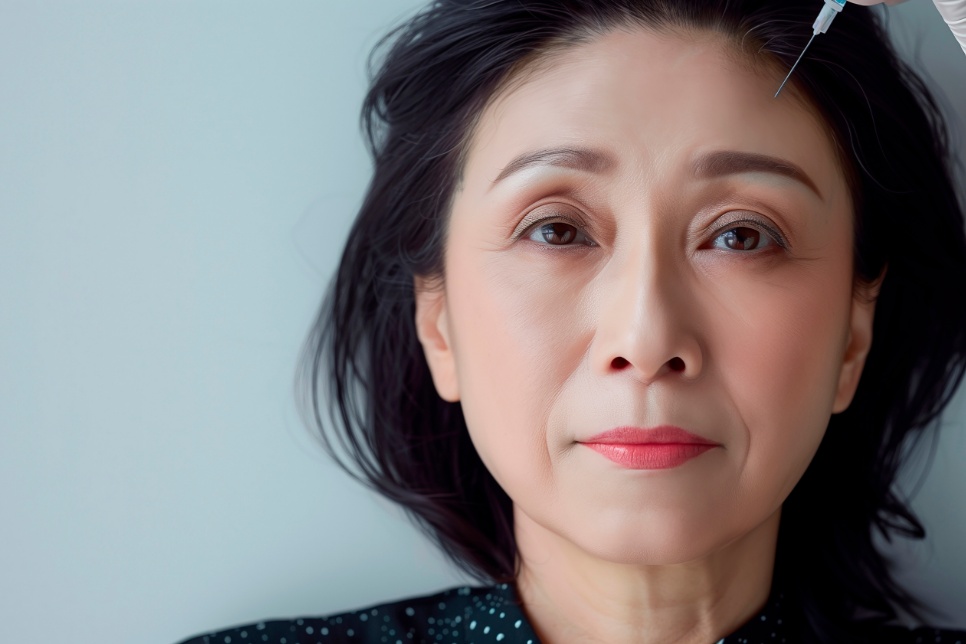
When Can You Drink Alcohol After Botox?
The recommended alcohol-free period can differ from person to person. It may depend on the treatment area, amount of product used, your medical history, skin sensitivity, and whether bruising or swelling is present.
In many cases, patients are advised to avoid alcohol on the day of treatment. Some clinics may recommend avoiding it for several days, while others may advise a longer period based on your individual condition. Your treating provider’s instructions should always take priority over general guidance.
If you still have visible bruising, swelling, warmth, or discomfort at the injection site, it is sensible to postpone drinking until those symptoms have improved. Even a small amount of alcohol can affect people differently, particularly when they are tired from travel, adjusting to a new time zone, or recovering from a busy schedule.
If you expect to attend a dinner, celebration, or other event involving alcohol, consider scheduling Botox with sufficient time before that occasion.
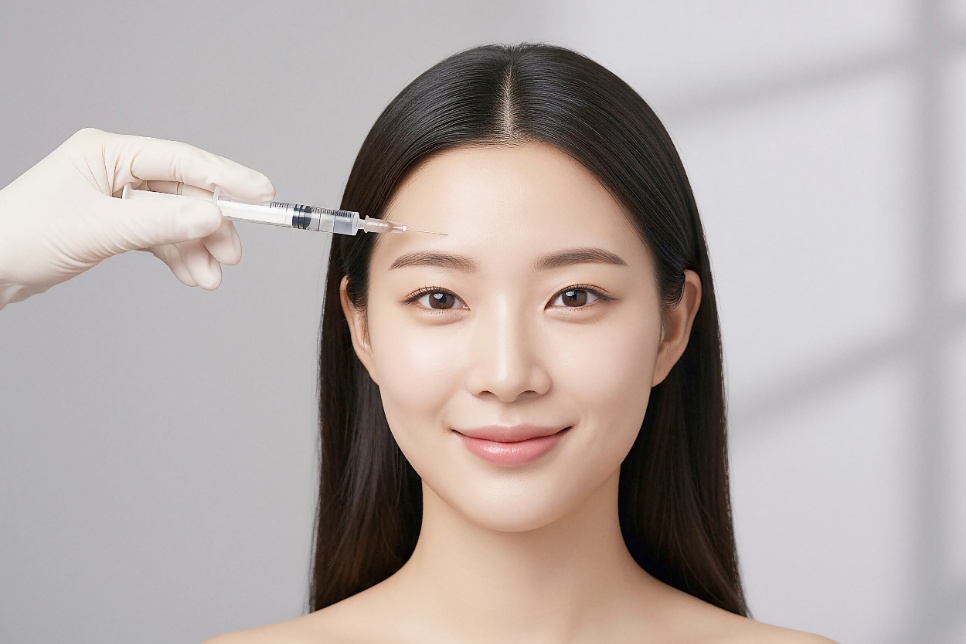
Other Activities to Avoid During Early Recovery
Alcohol is only one part of Botox aftercare. In the early period after treatment, it is also usually best to avoid activities that substantially raise body temperature or increase blood circulation.
Saunas, Korean jjimjilbangs, hot baths, and strenuous exercise may increase facial flushing or swelling shortly after injections. If these activities are part of your travel plans, ask your clinic when it is appropriate to resume them.
It is also important not to press, rub, or massage the treated area strongly. Facial massage, meridian massage, and other treatments that apply significant pressure to the face may need to be postponed. When cleansing your face or applying skincare and makeup, use gentle movements and avoid vigorous rubbing.
The exact precautions and timeline may vary according to the injection area and technique used. Your clinic can provide instructions tailored to your treatment plan.
When to Expect Botox Results
Botox does not remove wrinkles instantly after the injection. The treatment effect develops gradually as the product begins to influence communication between nerves and muscles.
Many patients begin to notice reduced muscle movement after several days, with results becoming more established over time. The timing and duration of results can vary according to the treatment area, the strength of the muscles, the dosage, individual metabolism, and lifestyle factors.
Botox is often used for dynamic wrinkles, which become more visible with facial movements such as frowning, raising the eyebrows, or smiling. Deep lines that remain visible when the face is fully relaxed, as well as concerns related to skin laxity, may require a different or combined treatment approach.
A qualified medical professional should assess your facial expressions, muscle movement, skin condition, and aesthetic goals before creating a treatment plan.

Planning Botox Around Your Travel Itinerary
For medical tourists, timing is especially important. Although many people return to normal daily activities shortly after Botox, minor redness, swelling, tenderness, or bruising can occur. These effects are often temporary, but they may be inconvenient before an important event, photo session, business engagement, or long-planned social activity.
Whenever possible, allow adequate time between your Botox appointment and major plans. This can reduce stress if temporary treatment-site changes occur and gives you time to follow aftercare recommendations, including avoiding alcohol when advised.
If you experience significant discomfort, worsening symptoms, or concerns that last longer than expected, contact the clinic that performed your procedure. Avoid trying to massage the area or manage persistent symptoms with additional treatments without professional guidance.
Following post-treatment instructions, including recommendations about alcohol, heat exposure, exercise, and pressure on the treatment area, is an important part of a safe and comfortable Botox experience.
Begin Your BongBong Experience
Starting your treatment process here at BongBong is simple and easy.
Fill out our enquiry form below, and a member of our team will get back to you as soon as possible.
This is an informational post published by a medical institution in compliance with Articles 56 and 57 of the Medical Service Act.
Pursuant to Article 57(3), this post has not undergone medical advertising review. It was prepared for informational purposes in accordance with Article 24 (Review of Medical Advertisements) of the Enforcement Decree of the Medical Service Act.
Note: This article was translated and published from the original with consent from the author.